About Us
The Equal Rights Coalition: a collaborative mechanism to progress LGBTI rights across the globe.
The Equal Rights Coalition (ERC) is a mechanism of Member States in partnership with global civil society and multilaterals that is dedicated to the protection of the human rights of lesbian, gay, bisexual, transgender, and intersex (LGBTI) persons, and the promotion of inclusive development. The Coalition was founded in 2016 at the Global LGBTI Human Rights Conference in Montevideo, under the leadership of Uruguay and the Netherlands, and has a rotating co-chair model of two Member States and two civil society organizations that serve for two-year terms.
Since the founding in 2016, ERC Member States, civil society organisations, and multilaterals have worked together to take action through public pronouncements and diplomatic intervention when we have witnessed LGBTI persons facing abuses and violations of their human rights. At the same time, we have welcomed the positive steps made by governments, legislatures, and courts around the world in combating discrimination and strengthening protections for the human rights of LGBTI persons.
We have since also expanded membership of the ERC, which now covers 44 Member States across Africa, Europe, Latin America, North America, Asia, and the Pacific. As members, they have confirmed their commitment to progressing LGBTI rights, both domestically and internationally, adhering to the founding principles and subsequent commitments of the ERC, and engaging in the work of the Coalition.
Founding Principles
The Founding Principles of the ERC are:
Vision
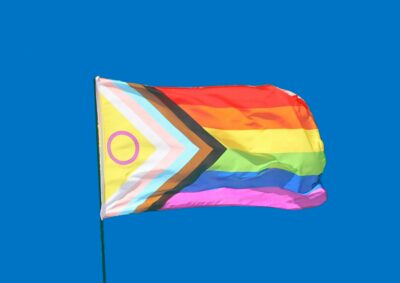
The ERC works for a world where every nation recognises, promotes and protects the human rights of lesbian, gay, bisexual, transgender and intersex persons. It looks to ensure that everyone can participate in all aspects of life free of discrimination and violence, regardless of their sexual orientation, gender identity or expression and sex characteristics.
Mission
The ERC is a global intergovernmental coalition of 44 Member States partnering with civil society and committed to taking coordinated action to advance and protect the human rights of LGBTI people everywhere. ERC member states do this by abiding by the commitments they made on accession, and which are set out in the ERC’s Founding Principles.

Governing Bodies
The governance of the Equal Rights Coalition is run through three key bodies, covering Member States, civil society organisations, and multilaterals.
-
Member State Coordinating Committee
The Coordinating Committee comprises all 44 Member States, plus the Civil Society Co-Chairs and the Civil Society Thematic Group Co-Chairs, as well as the Secretariat.
They meet regularly to agree the overall direction of the Coalition, and coordinate upcoming ERC activities.
-
Executive Committee
The Executive Committee comprises the State Co-Chairs, Civil Society Co-Chairs, Co-Chairs of the Thematic Groups, and UNAIDS and the World Bank, .
They meet regularly to agree on key decisions and progress the work of the ERC. This body is vital to provide overall governance and oversight of the ERC mechanism, to set priorities for the Coalition, and to agree on internal procedures and processes.
-
Civil Society Core Group
Governance of civil society is led by the Civil Society Core Group, chaired by the Civil Society Co-Chairs, and attended by civil society members who take active roles in the ERC as well as the Secretariat.
The criteria for membership, as listed in the Terms of Reference, are involvement in at least one Thematic Group and experience working at the international/regional level OR with their national government on advancing human rights.
The Core Group should also reflect diversity across geographic regions and identity groups. Terms are two years, in parallel to the overall co-chairship. Selection occurs by CSOs indicating their interest to the Co-Chairs. The Core Group meets monthly to coordinate civil society activities, set priorities for civil society, run decision-making processes, and agree on internal procedures.
Secretariat
Since May 2024, under the co-chairship of Mexico and Germany, the ERC established a fully-staffed Secretariat hosted at ILGA World to facilitate its work as an intergovernmental body of Member States and civil society worldwide. The Secretariat is an independent body, accountable to the Executive Committee, and maintains administrative independence as it connects all the parties that come together in the ERC, ensuring good governance, communications, and continuity of the Coalition. It is staffed by:
-
Leanne MacMillan
she/herERC Secretariat Manager
-
Doug A. Graffeo
they/themERC Secretariat Senior Officer
Dive deeper
Click the buttons below to learn more about our Member States and partnering civil society organizations.
Latest News & Resources
Get involved
with the ERC, whether as a civil society organisation, government, or other stakeholder.